
我开车长途到槟城回来后,腰痛了六个星期都没好。PhysioMelaka 帮我对接到一家离我爱极乐办公室十分钟的诊所。四次治疗加上居家运动,我又能晨跑了。
背痛
不再忍受背痛 - 6 周找到根源并治愈
马来西亚每 4 位成人就有 1 位受背痛困扰。物理治疗找到并解决根源 — 椎间盘、关节或肌肉 — 而不是用止痛药掩盖。78% 患者在 4 次内改善。
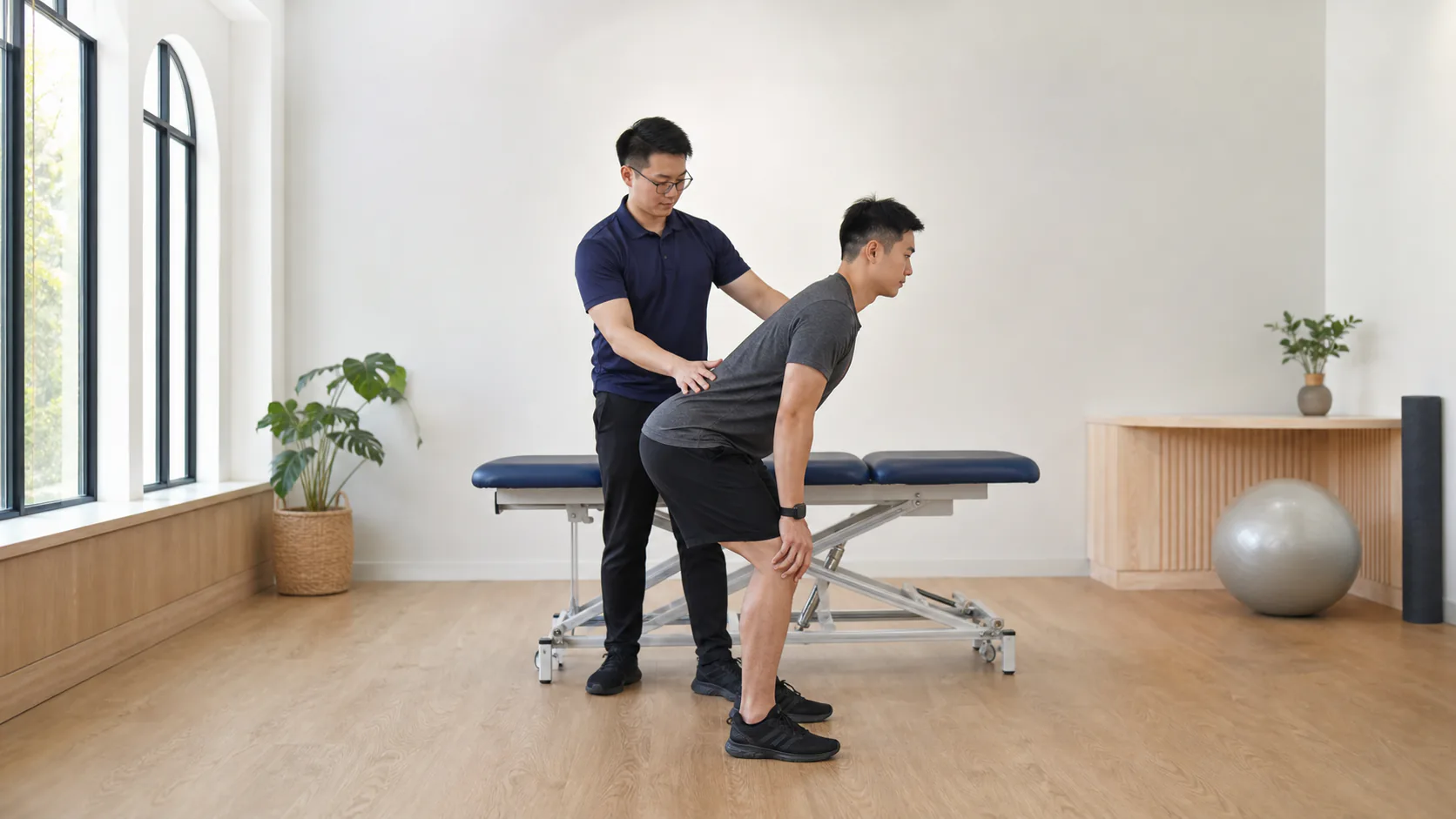
您试过止痛药、热敷包和 YouTube 上的拉伸视频。背痛消失一天又卷土重来,而且更剧烈。这种循环重复发生,是因为您在治疗症状,而不是根源。
背痛实际上是什么。
背痛是一种症状,而不是诊断。它可能源于僵硬的腰椎小关节、薄弱的腹横肌稳定肌、受刺激的椎间盘、过紧的髋屈肌使腰椎承受过度负荷,或多重因素组合。每种原因需要不同治疗 — 缓解小关节僵硬的拉伸动作可能加重椎间盘膨出。
严重程度分级。
轻度(久坐后酸痛,活动后缓解)2–4 次活动度与姿势训练即可缓解。中度(每日疼痛,每早僵硬超过 30 分钟,向臀部放射)通常需要 6–8 次治疗,包括手法治疗。重度(疼痛放射至膝盖以下、麻木、无力或膀胱症状)需要紧急医疗评估。
物理治疗为何有效。
马六甲的物理治疗师通过动作测试(前屈、后伸、侧弯、旋转)、每节腰椎的触诊、神经张力测试和肌力筛查找出具体原因。治疗针对该原因:僵硬节段的手法松动、薄弱组织的渐进负重、受刺激神经的神经滑移、以及让背部持续承受负荷的动作习惯再训练。
与其他方案对比。
止痛药掩盖疼痛,根源仍在。脊椎调整可缓解僵硬但很少重新训练防止复发的肌肉。手术(椎间盘切除、融合)大约只对 5% 背痛病例有帮助 — 即 MRI 确认有神经压迫征象者。其余 95% 患者,物理治疗是马来西亚卫生部、英国 NICE 指南、美国医师学会推荐的一线治疗。
首次就诊准备。
穿宽松易活动的衣物。带上当前用药清单和过往影像资料(MRI、X 光)。回想疼痛何时开始、什么使其加剧、什么能缓解、是在恶化还是改善。
康复时间线。
急性机械性背痛通常 4–6 次治疗(2–3 周)解决。慢性背痛(>12 周)需要 8–12 次治疗(6–8 周)加家庭运动方案。第 3 次治疗时您应感到明显改善 — 否则物理治疗师会重新评估并调整。
何时不应优先选择物理治疗。
需要当日就医的红旗征:膀胱或肠道功能丧失、马鞍区麻木、进行性下肢无力、不明原因体重下降、近期跌倒或外伤、或夜间痛醒尖叫。这可能提示马尾综合征、骨折、感染或恶性肿瘤。请前往 Hospital Melaka 或 Hospital Pakar Sultanah Fatimah 急诊。
马六甲的选择。
政府门诊物理治疗可在 Hospital Melaka、Klinik Kesihatan Peringgit、Klinik Kesihatan Ayer Keroh 提供(需医生转介)。私立诊所集中在马六甲中央县 Jalan Hospital 沿线及 Mahkota Medical Centre 附近。上门物理治疗覆盖马六甲中央县、亚罗牙也及野新大部分地区。
马六甲费用。
政府门诊每次 RM5(需转介)。私立初次评估 RM80–150,复诊 RM70–120(45 分钟)。上门服务每次 RM150–300。多次套餐(6–10 次)通常节省 10–15%。
保险与理赔。
AIA、Great Eastern、Allianz、Prudential 及大多数马来西亚医疗保险在医生转介与诊断信下覆盖物理治疗。如需理赔用明细收据,请提前告知物理治疗师。
典型康复时间线
急性缓解 周 0–3 4–6 次
强化训练 周 3–7 4–6 次
恢复活动 周 7–9 2 次
0 9 周
症状
- 腰背或上背部隐隐作痛
- 弯腰或抬重物时尖锐疼痛
- 久坐或起床后僵硬
- 疼痛放射到臀部或腿部
常见原因
- 久坐姿势不良
- 椎间盘退化或突出
- 核心稳定肌群无力
- 缺乏活动导致关节僵硬
寻找您附近的背痛 治疗
浏览马六甲全州各地的背痛 物理治疗。
相关文章
conditions
马六甲坐骨神经痛治疗:物理治疗 vs 手术,哪种最有效?
马六甲坐骨神经痛治疗:物理治疗 vs 手术,哪种最有效? —— 由马六甲物理治疗师整理的循证内容,涵盖原因、治疗、本地资源与转介路径。
阅读文章 → prevention工作场所人体工学:马六甲上班族如何预防背痛与颈痛
工作场所人体工学:马六甲上班族如何预防背痛与颈痛 —— 由马六甲物理治疗师整理的循证内容,涵盖原因、治疗、本地资源与转介路径。
阅读文章 → conditions儿童与青少年脊柱侧弯:马六甲的早期发现与治疗
儿童与青少年脊柱侧弯:马六甲的早期发现与治疗 —— 由马六甲物理治疗师整理的循证内容,涵盖原因、治疗、本地资源与转介路径。
阅读文章 →参考文献
- NICE NG59: NICE Guideline NG59: Low back pain and sciatica in over 16s — assessment and management.
- Foster 2018: Foster NE, Anema JR, Cherkin D, et al. Prevention and treatment of low back pain. Lancet. 2018;391(10137):2368-2383. PMID: 29573872.
- MOH CPG: Malaysian Clinical Practice Guidelines: Management of Low Back Pain (Ministry of Health Malaysia).
常见问题
急性背痛(6 周内)通常在 2–3 周内 4–6 次物理治疗解决。慢性背痛需要 6–8 周内 8–12 次治疗。第 2 次治疗后您应感到改善,否则物理治疗师会调整方法。
对 95% 的背痛病例,活动优于休息。卧床超过 2 天反而延缓康复。物理治疗师为您的状况开具特定安全动作 — 不是随机运动,而是促进愈合的针对性负重。
不 — 多数背痛病例开始物理治疗前不需要 MRI。MRI 在 40–50% 完全无痛者身上显示椎间盘膨出,意味扫描常误导而非帮助。在以下情况下做 MRI 才合理:出现红旗征(进行性无力、膀胱改变、马鞍区麻木)、4–6 周物理治疗后仍剧烈疼痛、或正在考虑手术。把 RM800–1,500 的扫描费用留到物理治疗师认为必要时。
可能不是。真正的椎间盘突出仅占背痛病例的 5–10%,通常引起放射至膝盖以下一条腿的剧痛、麻木或无力 — 而不是单纯背痛。多数背痛是机械性的:僵硬的关节面、失健的核心肌肉或姿势性负重。物理治疗师可在一次评估中通过直腿抬高和神经筛查区分机械性背痛与椎间盘性疼痛。
可以,马来西亚多数主要保险公司(AIA、Great Eastern、Allianz、Prudential、Etiqa、Zurich)将物理治疗作为门诊医疗福利的一部分覆盖,但通常需要医生转介和诊断信。无现金面板安排因保险公司和诊所而异。请向物理治疗师索取明细收据,显示 MAHPC 注册号、诊断代码、日期、时长和费用 — 这是保险公司报销所需。
可以,上门物理治疗在马六甲中央县、亚罗牙也和野新广泛提供,常见于坐车疼痛、术后或年长患者。马六甲典型上门服务每次 RM150–300,视邮编和时长而定。物理治疗师携带便携式治疗垫、弹力带和基础手法治疗工具。请通过 WhatsApp 告知邮编,我们会报上门价。